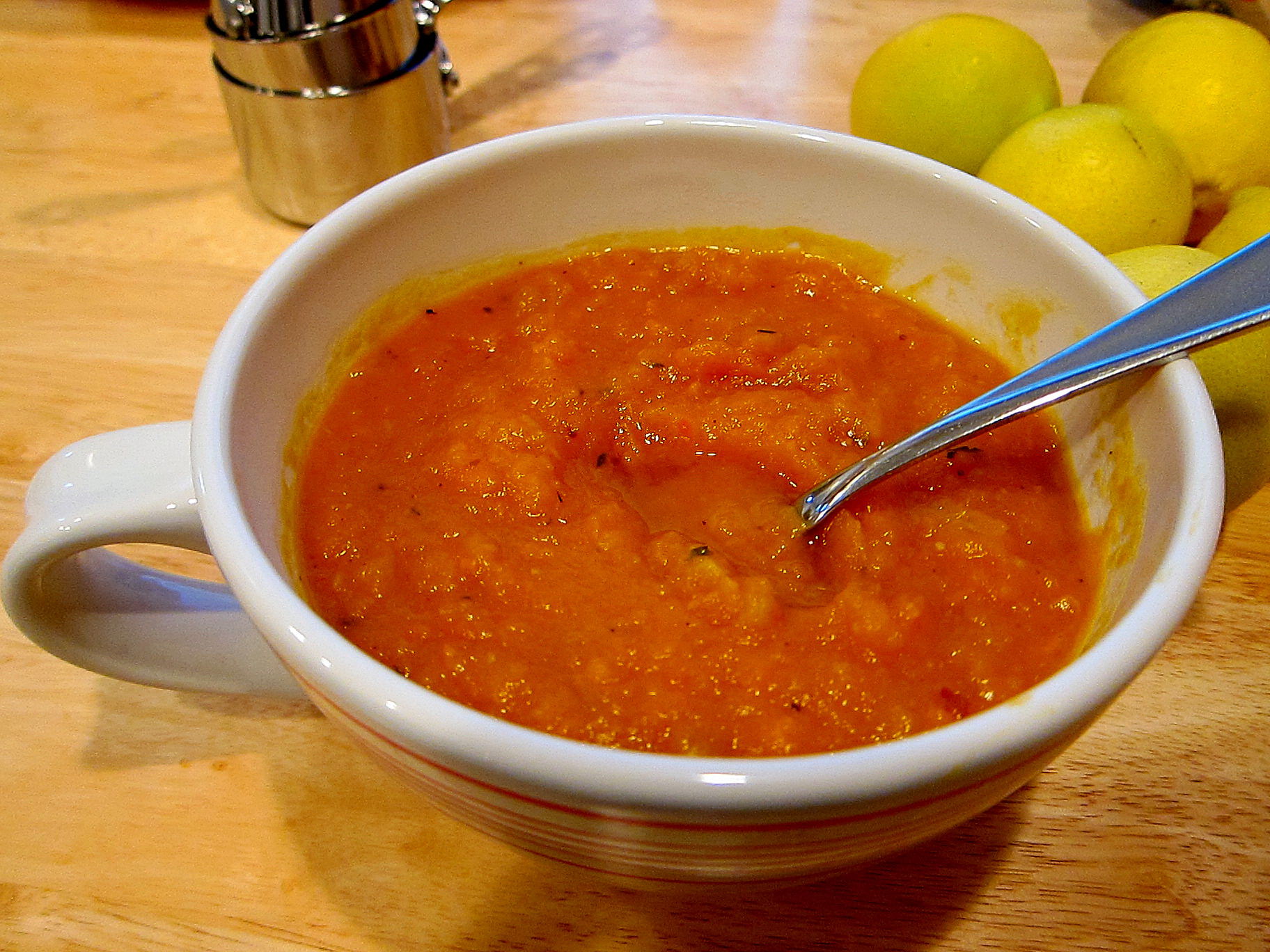
Pumpkin Soup

Pumpkin soup

Pumpkins are not just for carving and leaving them to die on one’s doorstep. I had bought a few sugar pie pumpkins a few months back for stuffing with chunky croutons and cheese. I had one that lingered in my kitchen though, and on this grey day (at least in my neck of the woods) soup sounded just perfect.

You’ll need:

  • 2-3 lb sugar pie pumpkin, cut into large cubes
  • 2 cups of sweet potatoes, cubed
  • 1 large russet potato
  • 5 cups of low-sodium stock, chicken or vegetable
  • 1 cup of yellow onion, chopped
  • 2 tsp garlic
  • 1 tsp ginger
  • 1 tsp cumin
  • 1/4 tsp cayenne pepper
  • salt and pepper
  • olive oil

To make:

Pre-heat your oven to 400 degrees.

First roast the pumpkin, sweet potatoes, and potato. Make sure to cut up everything into similarly sized pieces. I find it easier to leave the pumpkin’s skin on and cut it off later, but peel the other tubers. Toss the cubes with 2 tablespoons of olive oil. Lightly sprinkle salt and pepper. You can even omit the salt entirely if you wish. The broth will add enough saltiness to the soup.

Roast for 45 minutes and toss the cubes halfway through the process to bake evenly. Pull out and set aside.

Meanwhile, chop the onions, garlic, and ginger. After the cubes have sufficiently cooled, peel off the pumpkin skin.

On medium heat, saute the onions, garlic, and ginger with olive oil for 3 minutes. Add in all of your cubes, 4 cups of stock, cayenne, and cumin. Let simmer for 15 minutes. (I also had thrown in some leftover sweet potatoes that I had roasted earlier with thyme and garlic, but I think the soup would taste just as good without the thyme.)

Turn down the heat to low or off. You can use an immersion blender or transfer everything to a blender or food processor. Blend it all together. Add the additional cup of stock (or more) if necessary, depending on how soupy you like it. Season with additional salt and pepper if desired.

You can certainly substitute a cup of cream for the stock. I left it out, however, in a baby-step attempt to detox from the holidays.

If you are planning to plant a summer/fall garden, don’t forget to keep some of the pumpkin seeds for use later.
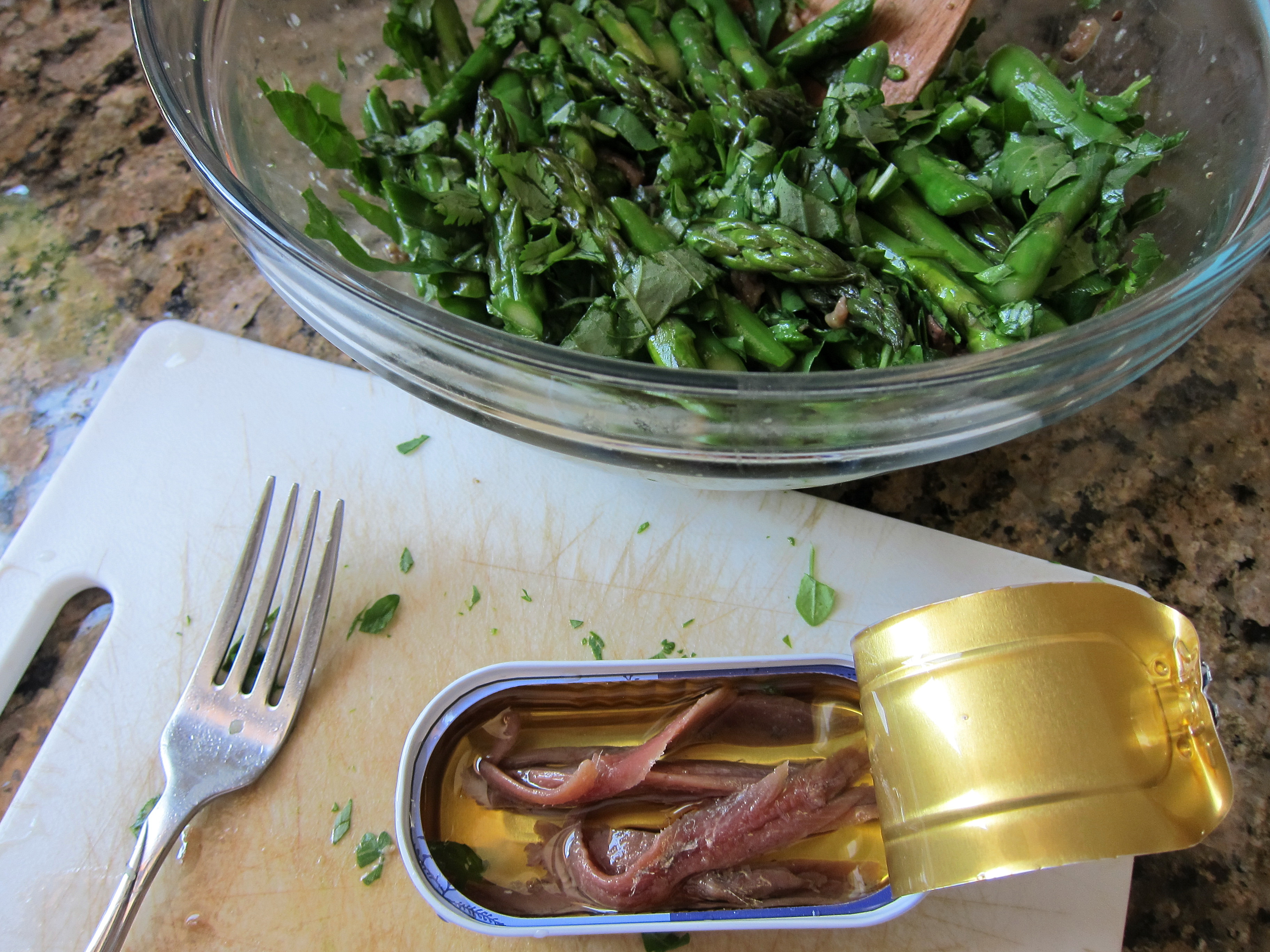
Asparagus with Herbs and Anchovies

If you don’t like anchovies, this recipe is definitely not for you. Somewhere I had seen a recipe that used a “salsa” of many herbs and anchovies. I wish I could find it again and post it, but lacking that I created a variation on that mixture.

My version of this salsa was more to taste than exacting. I julienned basil and chopped cilantro, parsley, arugula, and rosemary. I then chopped half a can of anchovies and added those with about 1/2 a tablespoon of olive oil. You can certainly use the oil from the anchovy can – I have also tried that, too. Add some freshly ground pepper, mix your herbs and anchovies together, and you’re done with the salsa. You can add salt, but I find it unnecessary because of the salty anchovies.

Next, I chopped a bunch of asparagus into bite-sized pieces (and I had snapped the stems off before chopping). I sauteed them with olive oil and garlic only for a few minutes so that the asparagus was still crunchy, but not soggy.

Then, I married the salsa with the asparagus. Very easy to do and very flavorful. I have also tried the salsa with roasted broccoli, which I think tastes even better.

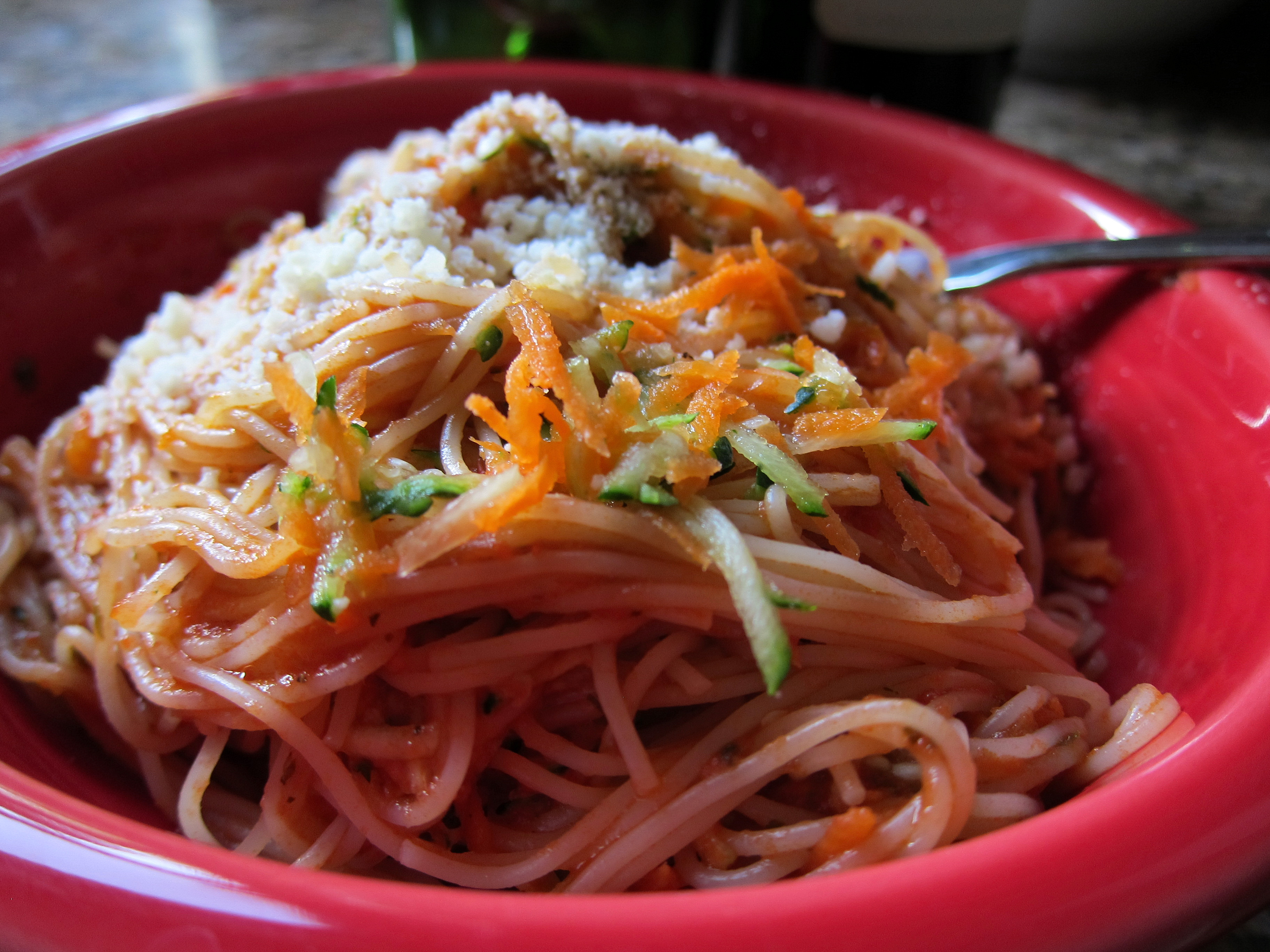
Pasta sauce with shredded carrots and zucchini

Image

Who knew that shredded carrots could be entirely exciting in pasta sauce??? Mario Batali, that’s who. In the last issue of Lucky Peach I came across one of his recipes for pasta sauce. To it, he adds shredded carrots, which give the sauce some fun texture and subtle carroty flavor. I had some zucchini and threw that in as well. I didn’t have time to make his sauce so I just mixed the shredded veggies into a bottled sauce. Give it a try!

Mark Bittman’s Roasted Asparagus with Crunchy Parmesan

Asparagus – the time is now!  Mark Bittman says that frankly, anything is good with parmesan on top.  He might be right. Nonetheless, this is a great, simple way to enjoy the season’s best offerings:

http://video.nytimes.com/video/2012/05/01/dining/100000001453916/asparagus-gratin.html

I had not thought about peeling away the top layer of the asparagus, but I’m going to start doing that with my next batch of asparagus. Should be pretty darn tasty.

Eggplant Moussaka

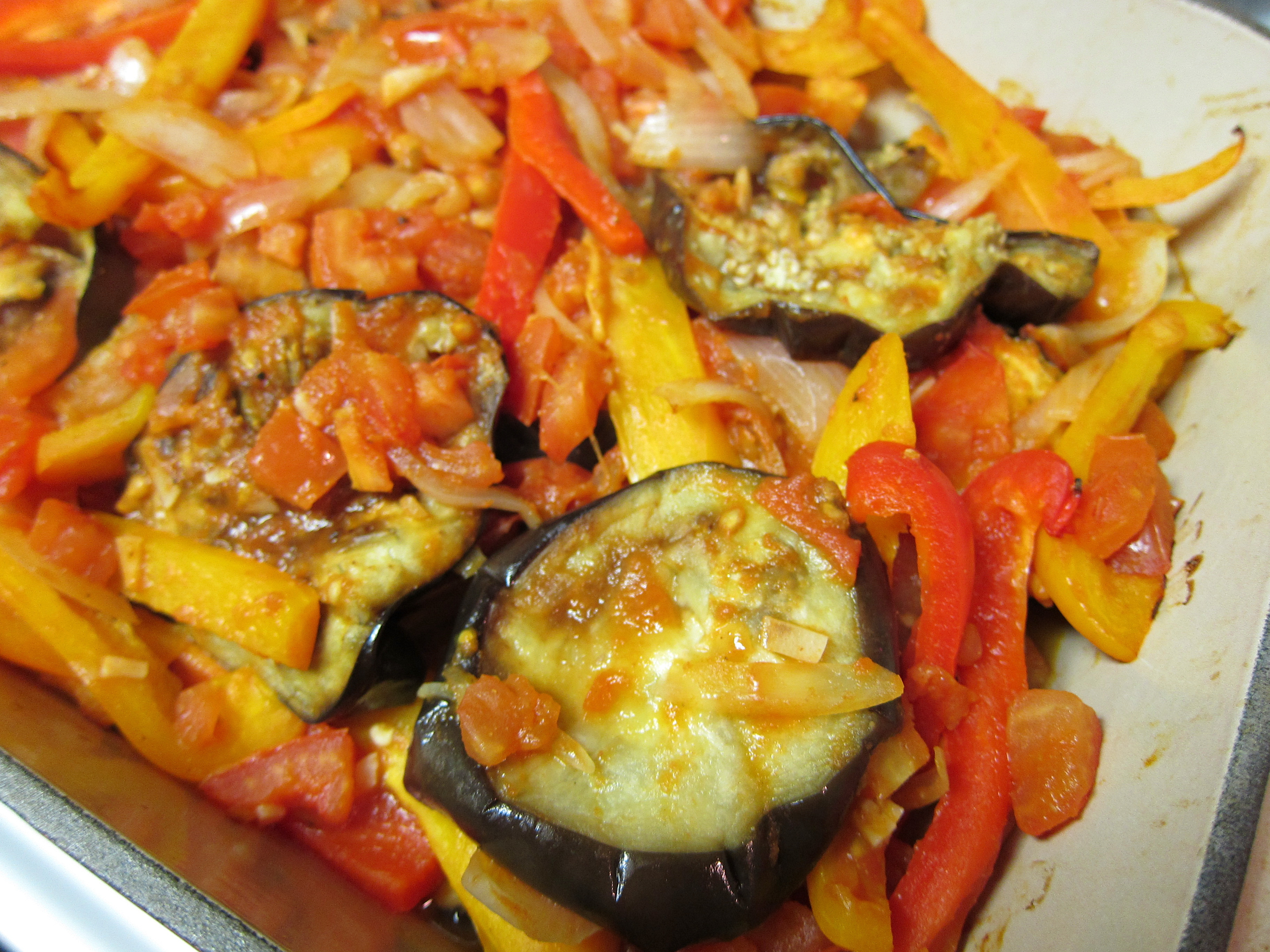
For better or for worse, I’m mostly a creature of habit.  Near my house there is a Lebanese restaurant that I frequent.  I have tried a variety of things on their menu, and they were all very good, but I usually end up wishing that I could have the eggplant moussaka.  I have ordered the eggplant moussaka so many times that the waitress, the chef’s daughter, hands me the menu and at the same time gives me this look that practically says, “Let’s cut to the chase.  You want the eggplant.”  I love places like these.  I don’t even have to speak; she already knows.

I’ve asked the chef’s daughter how I can make this dish at home.  She told me how to do it in the abstract and I’m still trying to figure it out.  This is my best attempt, short of just asking for a take-out box and passing it off as my own.

You’ll need:

  • 2 large eggplant
  • 3 medium bell peppers, sliced into strips (any color you want, but traditionally I’ve seen this dish with green peppers)
  • 5 large tomatoes , diced (alternatively, you can use a 28 ounce can of diced tomatoes)
  • 1 medium yellow onion (a Spanish onion might be nice here too)
  • 1 cup of garbanzo beans
  • 4 garlic cloves, minced
  • 2 teaspoons of cumin
  • 3 tablespoons of tomato paste
  • 1/3 of water or vegetable stock
  • 1/4 cup parsley, chopped
  • salt and pepper

Pull it all together:

Slice the eggplant into rounds, about 1/2 an inch thick.  Slather with some olive, salt them and bake at 350 degrees for 20 minutes.  Halfway through I usually turn them over so they cook evenly.  (I have also tried frying the rounds, but it requires much more oil and the taste didn’t seem to matter in the end.)

In the meantime, saute the onion on medium heat with olive oil for 5 minutes, until brown.  Add the minced garlic and cook together for 1 minute.  Next, add the diced tomatoes, peppers, garbanzo beans, tomato paste, cumin, salt, and pepper (add the S/P to taste).  If you are using canned tomatoes, then you won’t need to add the 1/4 cup of water or stock.  Otherwise, go ahead and add the liquid.  Cook the mixture for 5 minutes.

When assembling, I like to think of it like it’s a lasagna.  Spread the tomato mixture on the bottom of a 9×13 inch baking dish.  Layer the eggplant.  Spread some more tomato mixture.  Add another eggplant layer.  Top off with the remainder of the tomato mixture.

Cover with foil at first and then uncover halfway through baking.  Bake for 30 minutes at 350 degrees.


Spring cleaning: whole wheat lasagna noodles

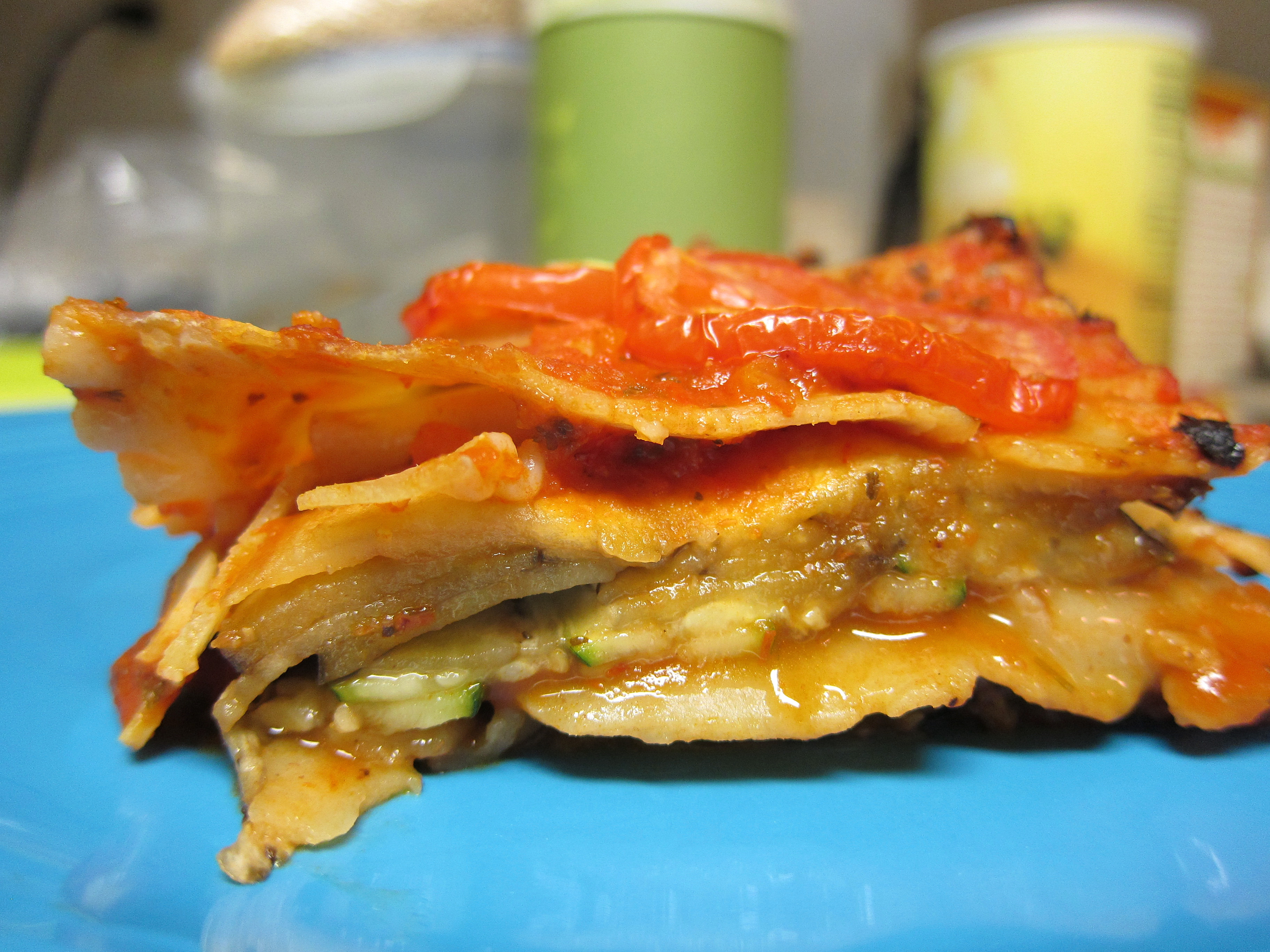
I’ve had a box and a half of whole wheat lasagna noodles for some time now.  They weren’t getting any younger just sittin’ there.  The problem, or so I thought, was that I didn’t have any cheese.  It turns out that cheese-less lasagna is pretty dang good.  I had 2 small eggplants and some zucchini lying around as well so I used my mandolin and sliced them length-wise.  With all fingers accounted for, I constructed the lasagna, layering the noodles with the eggplant and zucchini in between, just like I would if I had cheese on hand.  And, I topped it off with sliced roma tomatoes.

It turned out fantastic.  The creaminess of the eggplant isn’t exactly a perfect substitute, but I felt a little less guilty going for seconds knowing that I didn’t just eat my year’s allotment of saturated fats in one sitting.  I also used a bottle of Trader Joe’s tomato basil marina that was in my pantry.  Killing 2 birds with one stone – this is what I call spring cleaning.

Fun with the Mandolin

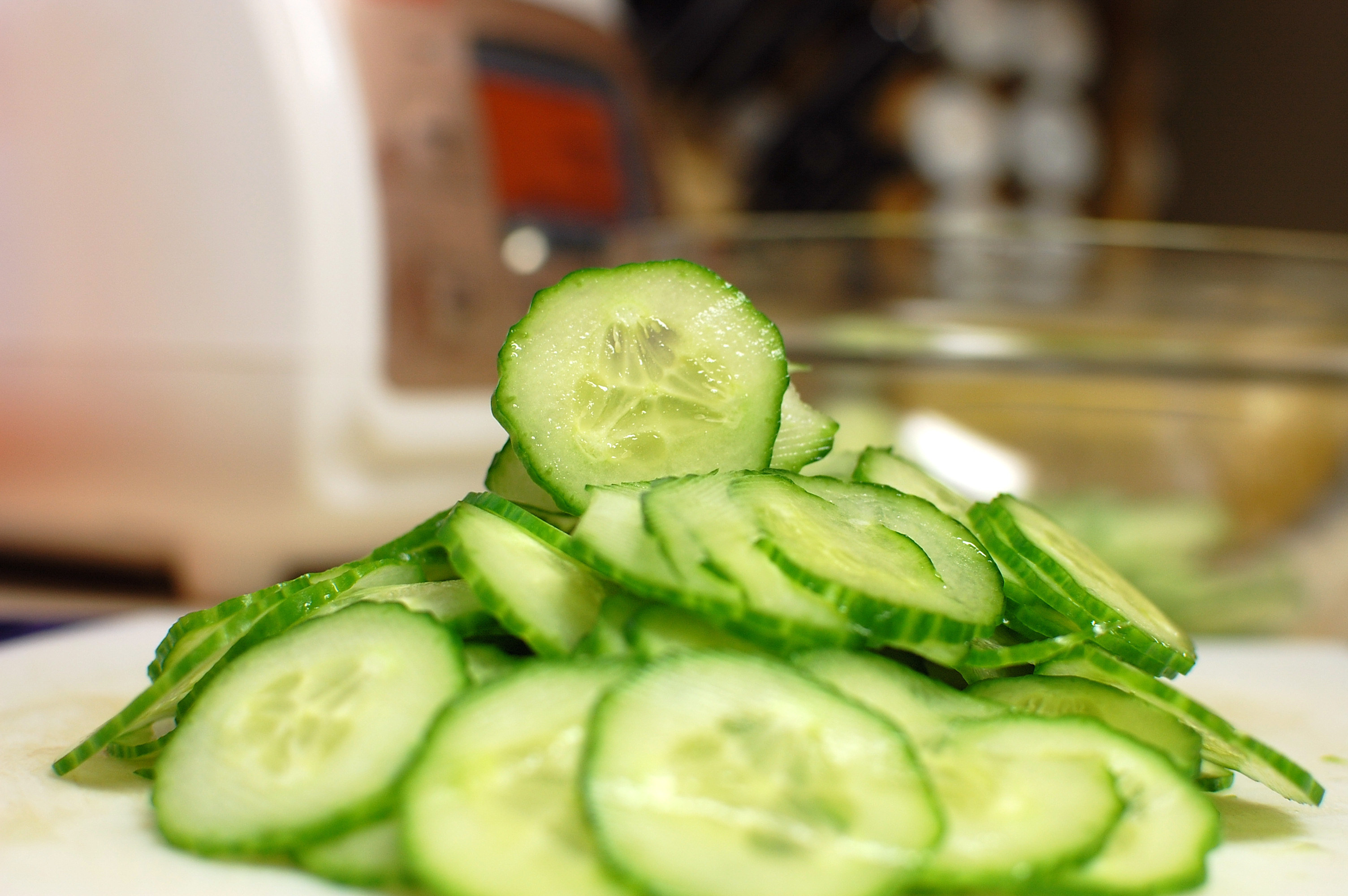
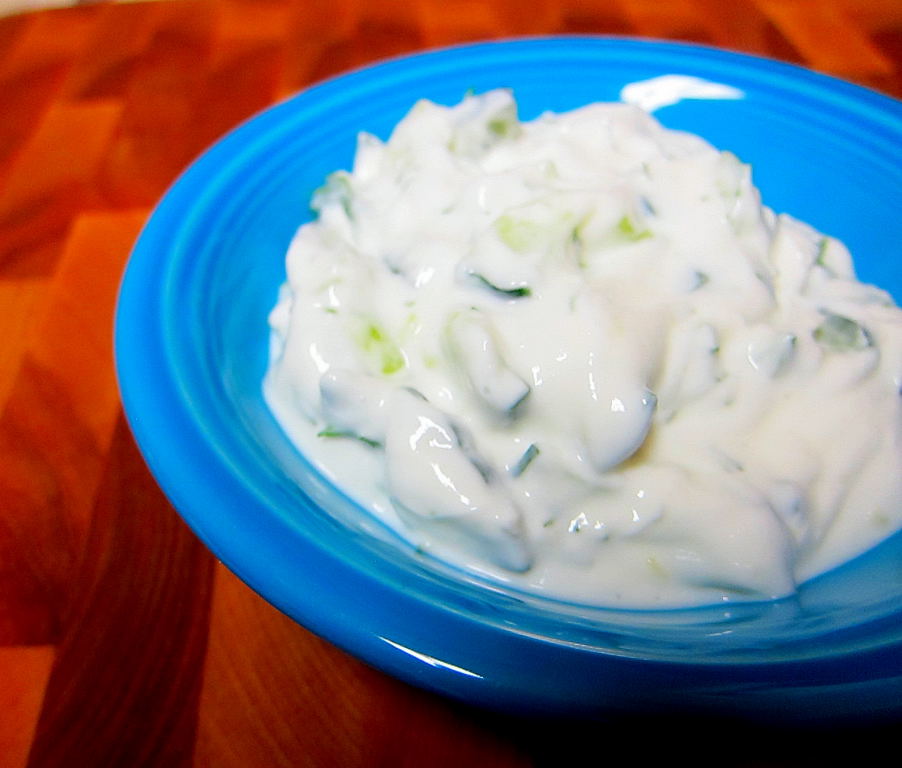
I had wanted a mandolin for many years and then I FINALLY got one.  It was a terribly exciting day.  I’ve still got a backlog of dill so I made more tzatziki.  The pile of cucumbers that my mandolin left makes me want to just dive right into it.  There is no substitute for fresh cucumber.


Much Ado About…Dill

There have been many times when I have bought items for a dish and have been left with odds and ends, wondering what to do with them.  Dill is a perfect example.  Here are my suggestions:

Cauliflower Moussaka


Tzatziki


You’ll need:

  • 16 ounces of Greek yogurt (I prefer non-fat yogurt)
  • half of a Hot House cucumber (about 5-6 inches)
  • 2 tablespoons of dill, chopped
  • 1/2 teaspoon of salt
  • one garlic clove, minced
  • 1 tablespoon of lemon juice (optional)

First, thinly slice the cucumber and sprinkle 1/4 of a teaspoon of salt on the slices.  Alternatively, you could also grate the cucumber.  I like a little more texture so I prefer having big chunks of cucumber.  Set the cucumber aside for an hour.  When the hour is up, squeeze as much moisture out of the slices as you can.  From here you can either chop the slices into quarters or small matchsticks.

Next, combine the yogurt, cucumber, dill, 1/4 teaspoon of salt, and garlic in a bowl.  You can add one tablespoon of lemon, but I feel as if there is enough tartness with the yogurt that I don’t need to add the lemon juice.  You can also add 1/2 a tablespoon of olive oil, but I think the tzatziki is still great without it.

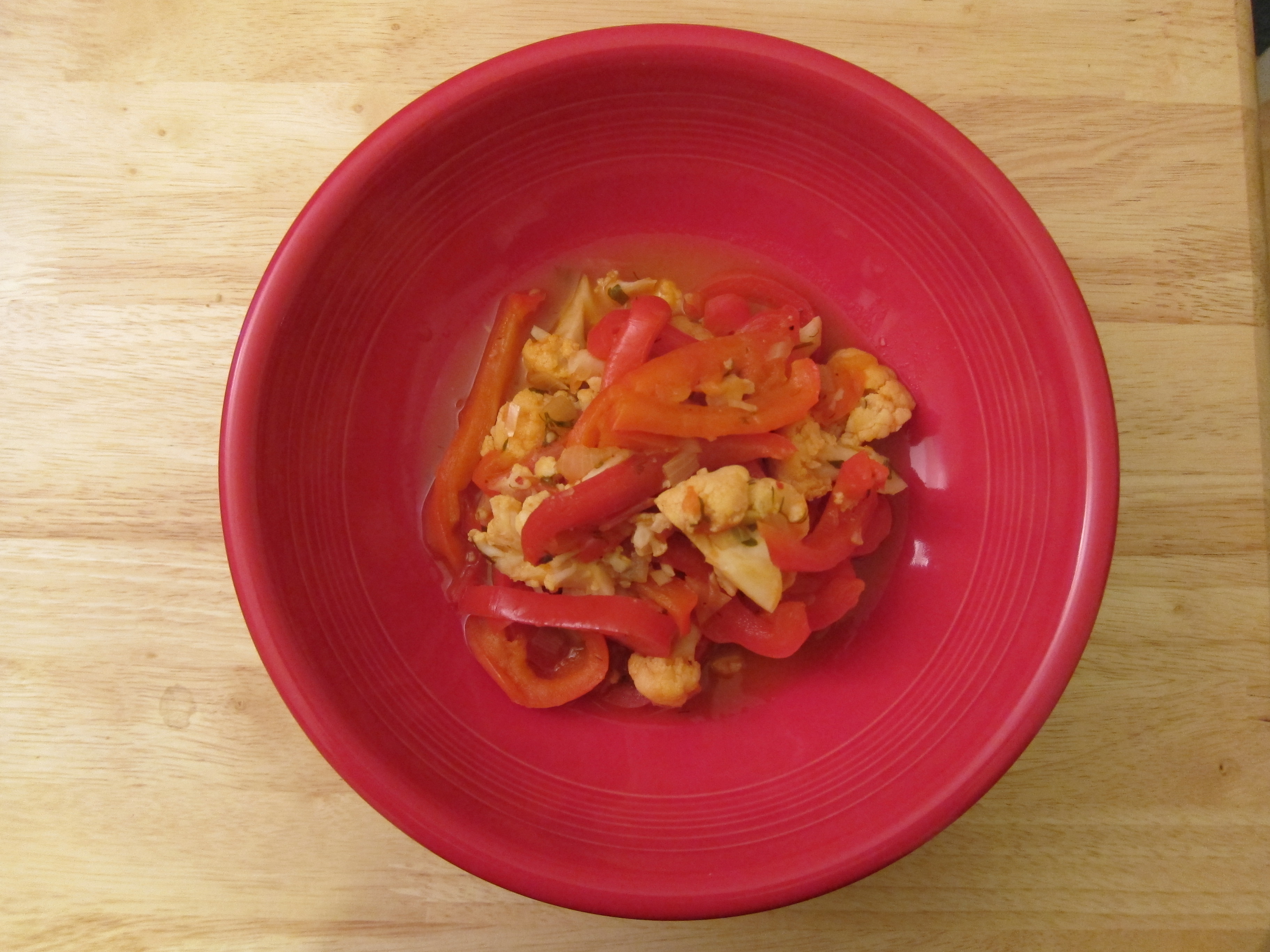
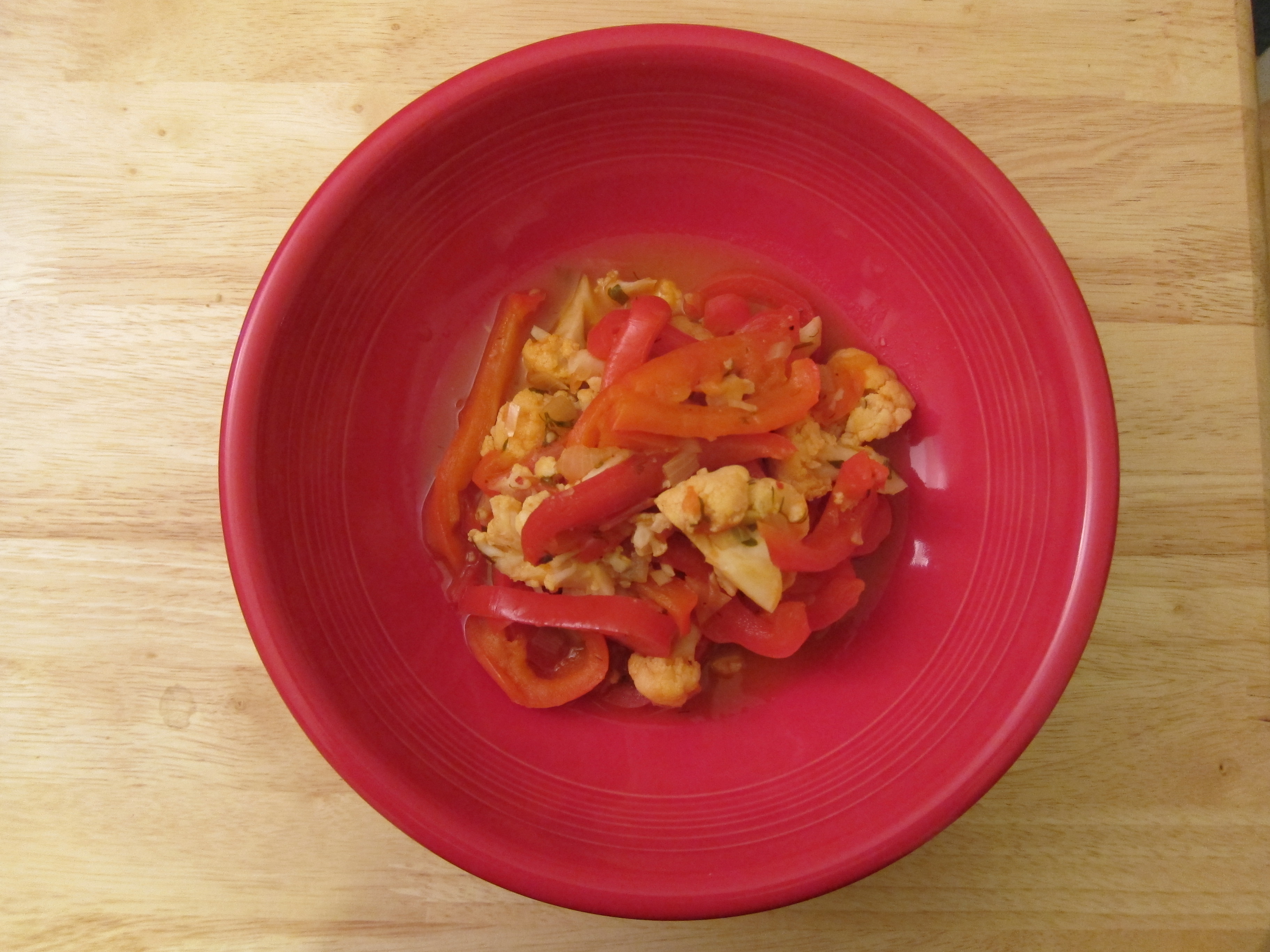
Cauliflower Moussaka

“Training is everything. The peach was once a bitter almond; cauliflower is nothing but cabbage with a college education.”  Mark Twain, “Pudd’nhead Wilson”

Cauliflower is like an unsung hero of the vegetable world.  Originally from Cyprus, it comes in different colors (white, green, orange), signifying the different varieties.  While you can find purple-hued cauliflower, such cauliflower is actually a type of broccoli that appears purple and turns green when cooked.  It is low in carbs, high in dietary fiber, and includes nutrients that cleanse the body of free radicals.  Make sure to look for cauliflower heads with crisp leaves.

Here is a veggie-friendly variant of moussaka.  For it,  you will need:

  • 1 large head of caulflower, sliced into florets
  • 1 small yellow onion, chopped
  • 2 cloves of garlic, minced
  • 1 tablespoon of tomato paste
  • 2 medium green or red bell peppers, cut into thin slices
  • 2 medium tomatoes, chopped (1 1/2 cups)
  • 1/4 to 1/2 teaspoon of red pepper (modify to your taste)
  • 1 tablespoon of dill, finely chopped
  • 1/4 cup of parsley, finely chopped
  • 1 1/2 cup of vegetable stock
  • Salt and pepper to taste
  • 1 tablespoon of olive oil
  • 2 tablespoons of lemon juice (added at the end)

Blanch the cauliflower florets in salted boiling water for 4 minutes, then drain and place aside.  Next, heat a tablespoon of olive oil over medium-high heat, preferably in medium to large-sized pan.  Saute the onion and garlic for 2 minutes until soft.  Add in the florets, peppers, tomatoes, red pepper, dill, parsley, tomato paste, and stock.  Season with salt and pepper as desired.

Bring the mixture to a boil and then reduce to a simmer for 30 minutes.  After turning off the heat, add in the lemon juice.

This dish can be served with rice, quinoa, or any other whole grain you prefer.

Recipe for Maklouba: Upside Down Chicken and Eggplant Dish | Legal Nomads

Recipe for Maklouba: Upside Down Chicken and Eggplant Dish | Legal Nomads.

Taking inspiration from this recipe posted on the Legal Nomads website, I made Jordanian Maklouba, which literally means “upside down”.  This dish was fantastic and is marked by the use of baharat or “7 spices” – a happy marriage of, you guessed it, 7 spices.  I ended up omitting the eggplant from this recipe, but it was still delicious, nonetheless, and my entire house smelled like a wonderful spice market.  I think you can easily make this into a vegetarian recipe by leaving out the meat entirely and using vegetable stock to cook the rice.  The next time I make this recipe I plan to roast the eggplant and cauliflower to add a nice sweetness to the dish.

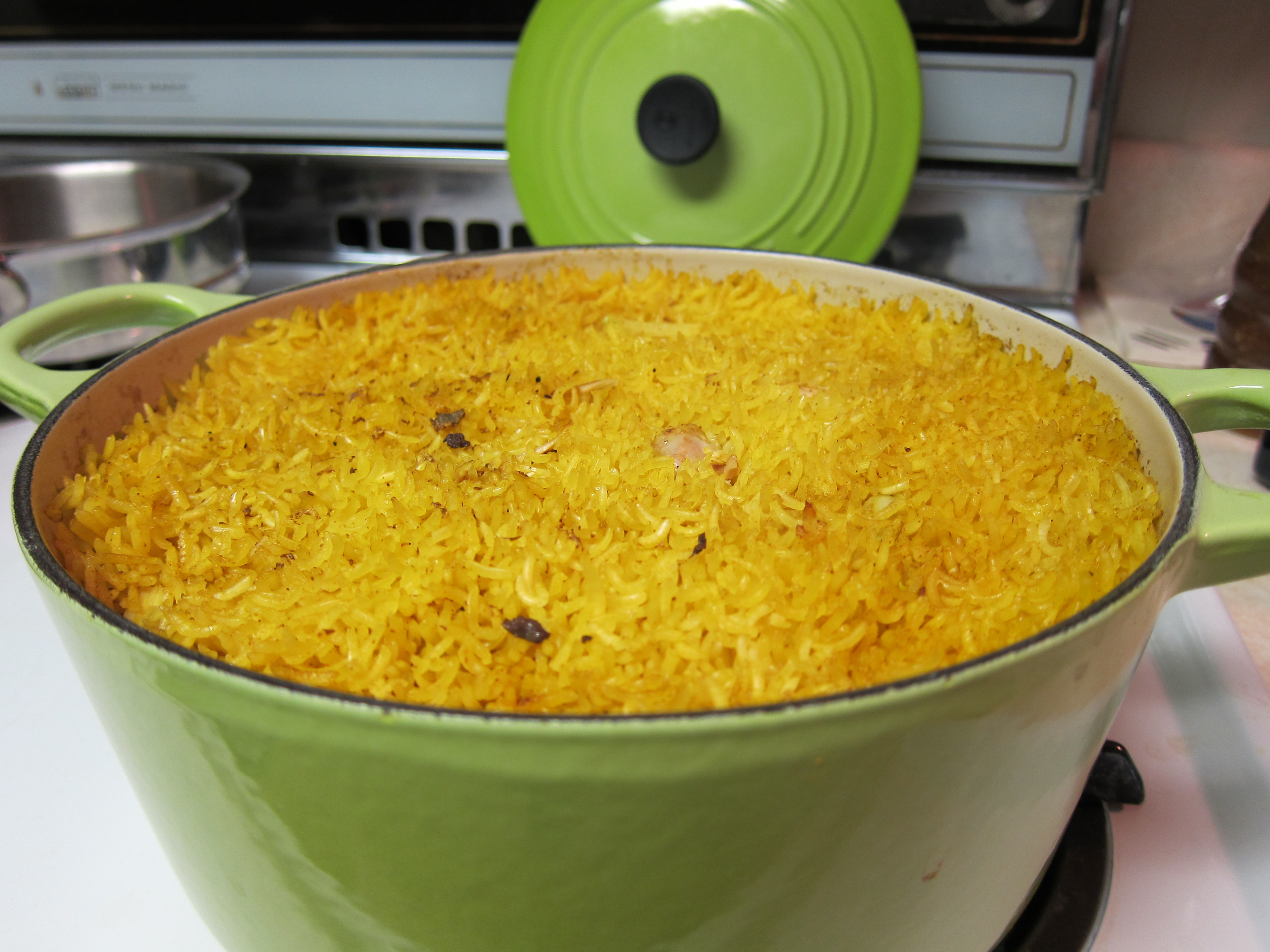
Once building my pot, it was filled to the brim and looked like this:

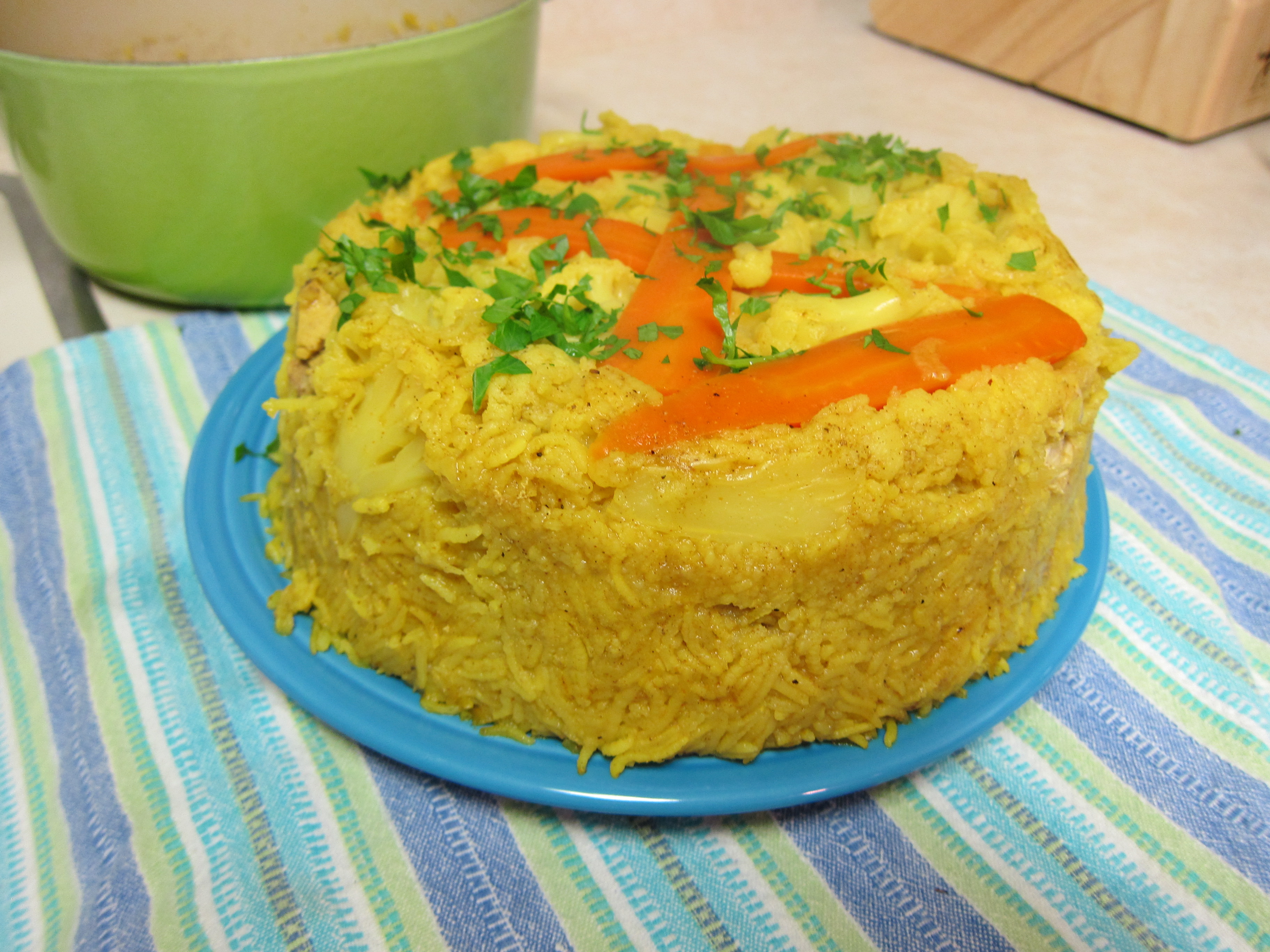
As I realized, there is an art to making maklouba.  You can be very creative and make fun patterns with your veggies.  I added carrots to the bottom for some flair.

I definitely recommend using a large enough plate to flip the maklouba from the pot, which I foolishly did not do here.

To make 1 cup of the baharat, I mixed the following:

  • 2 tablespoons of black pepper
  • 1 tablespoon of ground coriander
  • 1 tablespoon of ground cinnamon
  • 1 tablespoon of ground cloves
  • 1 1/2 tablespoons of ground cumin
  • 1/2 teaspoon of ground cardamom
  • 2 teaspoons of ground nutmeg
  • 2 tablespoons of paprika

The maklouba recipe only calls for 1 tablespoon of baharat so I stored the remainder in an air-tight container to be used again for my next round of maklouba.